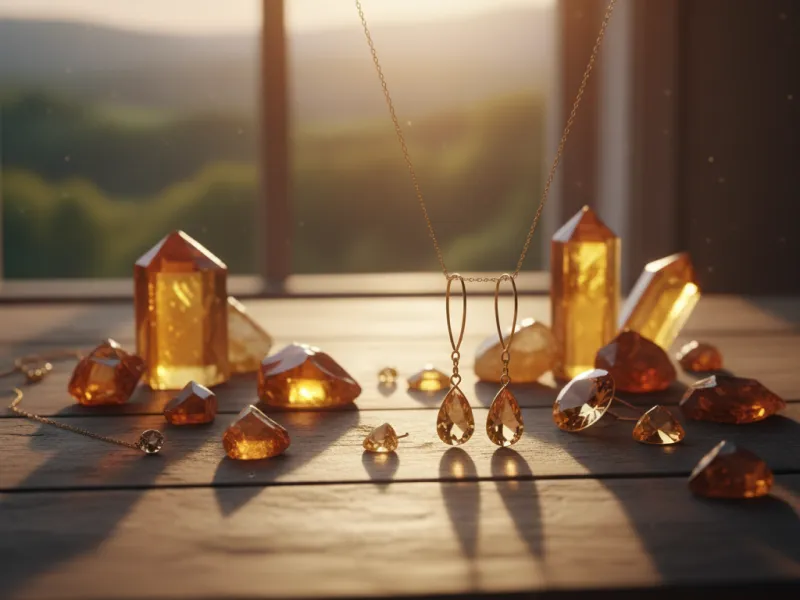
Let’s just say it — November babies hit the birthstone jackpot. While most months get stuck with one option, November gets to choose between two gorgeous gems: topaz and citrine. Both bring those perfect autumn vibes with warm, honeyed tones that look like bottled sunshine.
Topaz is the heavyweight champion with incredible durability and mind-blowing color range, while citrine is the affordable darling that delivers serious sparkle without the serious price tag. If you’re born in November, your birthstones are basically the gemstone equivalent of having your cake and eating it too.
Topaz: The Chameleon That Happens to Love Yellow
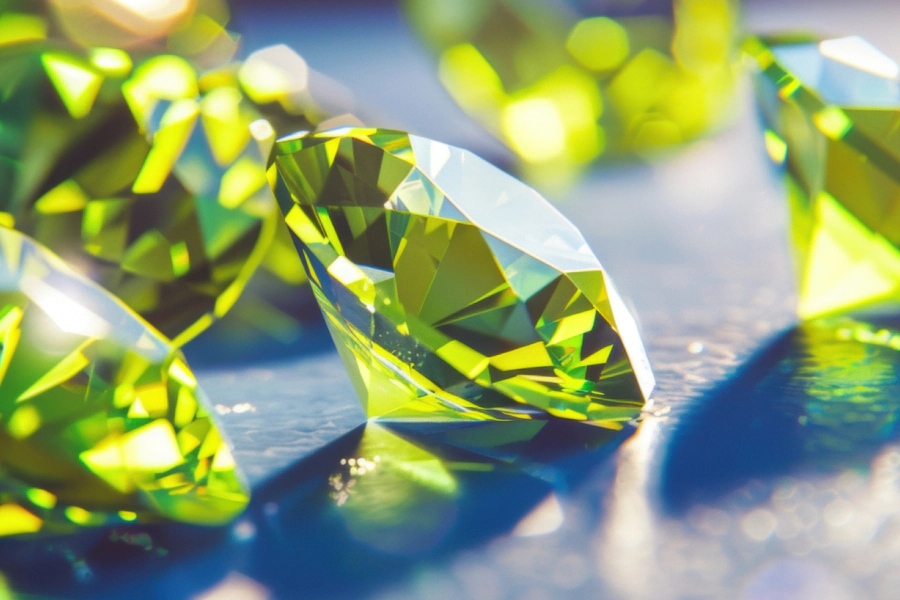
Here’s what most people don’t know about topaz — it actually comes in nearly every color imaginable. Blue, pink, white, even the rare and coveted imperial topaz in peachy-orange hues. But for November birthdays, we’re talking about golden topaz, which ranges from pale champagne to deep cognac.
Unlike many other gems that get their color from trace elements playing nice together, topaz gets its golden glow from tiny amounts of chromium or color centers created by natural radiation. That means each piece has its own unique story written in its crystal structure, not just slapped on as an afterthought.
Citrine: The Sunshine Stone That’s Actually Rare
Plot twist: most “citrine” you see in stores isn’t actually citrine. It’s heat-treated amethyst or smoky quartz that’s been cooked until it turns golden. Real, natural citrine is surprisingly rare and has a more subtle, sophisticated color than its oven-baked cousins.
Natural citrine tends to have a pale, lemony hue with incredible clarity, while the treated stuff is often darker and more orange. Both are technically quartz, both are beautiful, but knowing the difference can save you from overpaying for something that started life as a completely different gem. (And honestly, there’s nothing wrong with treated stones — just know what you’re buying.)
Tough Enough for Real Life
Both topaz and citrine are seriously durable options for everyday wear. Topaz clocks in at 8 on the Mohs scale, making it harder than most gemstones and perfect for rings that need to survive your actual life. Citrine hits a respectable 7, which means it can handle daily wear with just a little common-sense care.
The key? Topaz has perfect cleavage (geological term, not what you’re thinking), which means it can split along certain planes if hit just wrong. Store it safely, avoid hard knocks, and it’ll outlast most other gems in your collection.
Golden Hour, but Make It Jewelry
For those drawn to warm metals, autumn colors, or anything that looks like it’s been kissed by sunset, both topaz and citrine are absolute dreams. They look stunning in yellow gold settings, create gorgeous contrast with white metals, and play beautifully with other warm-toned gems like garnets and amber.
Not to mention, the size options are incredible. Both gems are found in large, clean crystals, so you can go big with statement pieces that would cost a fortune in other gem varieties. That massive citrine cocktail ring or show-stopping topaz pendant? Totally achievable without selling a kidney.
Have November Birthstone Jewelry? Let’s Make It Official
Whether your topaz or citrine pieces are recent additions, vintage finds, or family treasures, having them professionally appraised helps you understand their true nature — natural versus treated, quality factors, and proper care requirements.
If you’re in the Greater Baltimore Area, we offer independent jewelry appraisals to help you understand and protect your November birthstones — from identifying natural versus enhanced stones to documenting their unique characteristics and value.
Warm, versatile, and more complex than you’d expect — November’s birthstones prove that autumn babies have serious style and options to match.
Book your appraisal today and let your golden hour gems shine like they were meant to.