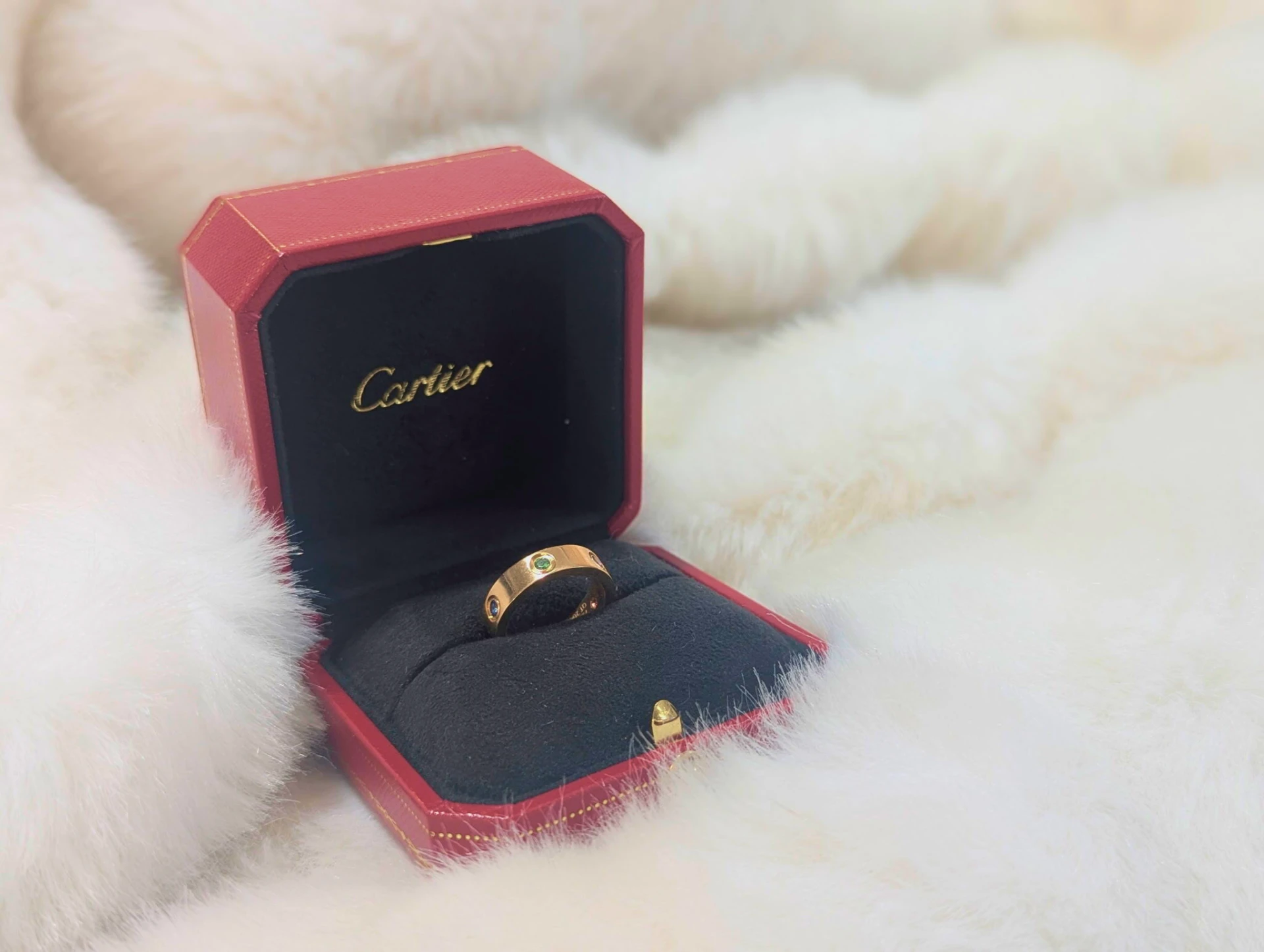
September has a birthstone with an extraordinary history. Sapphire has been treasured for thousands of years and has long been associated with royalty, romance, loyalty, truth, and nobility.
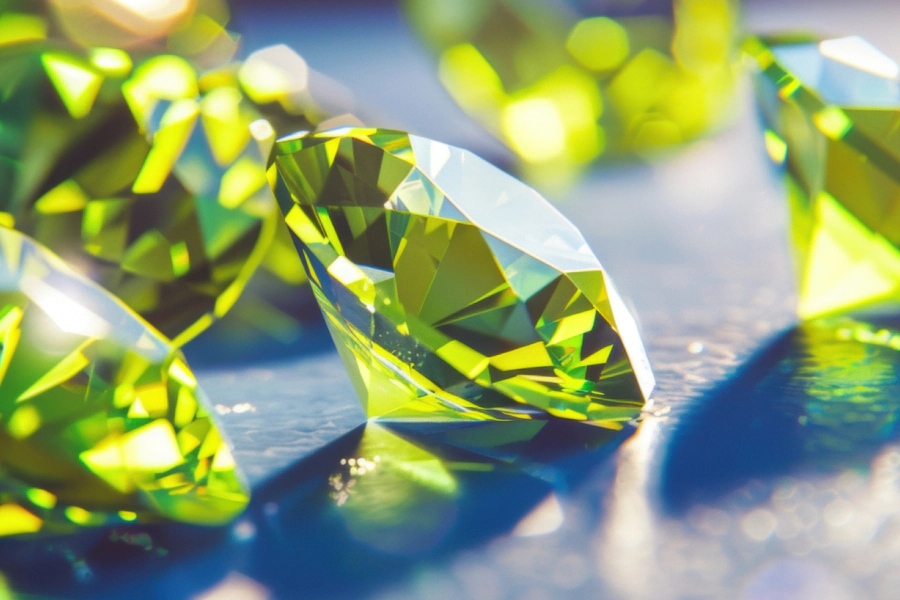
When most people hear the word sapphire, they immediately picture a rich blue gemstone. Blue sapphire is certainly the most recognizable variety, but sapphire actually occurs in an impressive range of colors. Pink, yellow, orange, green, purple, violet, and even color-changing sapphires can be found in fine jewelry. The notable exception is red corundum, which is classified as ruby rather than sapphire.
For September birthdays, sapphire offers an especially meaningful combination of beauty, durability, history, and symbolism.
Whether you own a sapphire engagement ring, inherited sapphire earrings, an antique brooch, or another treasured piece, understanding what makes sapphire valuable can help you appreciate—and properly protect—your jewelry.
What Is the September Birthstone?
Sapphire is a variety of the mineral corundum. Ruby is the red variety of corundum, while corundum in other colors is generally classified as sapphire.
Blue sapphire remains the most popular, but the gemstone’s remarkable color range makes it one of the most versatile colored gemstones available.
Sapphires Can Occur In:
- Blue
- Pink
- Yellow
- Orange
- Green
- Purple
- Violet
- Gray
- Black
- Colorless
Some sapphires can also exhibit a color-change phenomenon, appearing one color in daylight or fluorescent lighting and another under incandescent light.
Why Is Sapphire Associated With September?
Birthstones have evolved over centuries, combining religious traditions, cultural beliefs, and modern jewelry customs.
Sapphire has traditionally been associated with:
- Sincerity
- Truth
- Faithfulness
- Nobility
- Loyalty
- Protection
These associations help explain why sapphire has remained such a popular choice for meaningful jewelry.
The gemstone has also been closely associated with royalty and romantic jewelry for centuries. That connection continues today, particularly in sapphire engagement rings and heirloom jewelry.
The History of Sapphire
Sapphire has been treasured for thousands of years.
Ancient Greek and Roman elites believed blue sapphires could protect their owners from harm and envy. During the Middle Ages, clergy members wore sapphires because the stone was associated with Heaven.
Sapphire has also enjoyed a long association with royalty, appearing in crowns, ceremonial jewelry, and other important pieces.
One of the reasons sapphire remains so recognizable today is its ability to combine vivid color with exceptional durability.
Blue Sapphire: The Classic Choice
Blue is the color most strongly associated with sapphire.
Fine blue sapphires can range from lighter, delicate blues to deeply saturated royal blues.
When evaluating a blue sapphire, professionals consider characteristics such as:
- Hue
- Tone
- Saturation
- Color distribution
- Clarity
- Cut
- Carat weight
Generally, vivid and well-saturated color is highly desirable, although extremely dark or overly grayish stones may be less valuable than stones with a lively, attractive blue.
Fancy-Color Sapphires
One of the most fascinating things about sapphire is that blue is only the beginning.
Pink Sapphire
Pink sapphires range from delicate pastel pinks to stronger, saturated shades.
They are especially popular in contemporary jewelry and can provide an alternative to traditional diamond or ruby center stones.
Yellow Sapphire
Yellow sapphires can range from pale lemon shades to rich golden tones.
Their warm color makes them particularly attractive in yellow-gold jewelry.
Padparadscha Sapphire
Among the most distinctive sapphires is padparadscha, a rare pinkish-orange variety.
Its unusual color is one of the reasons it has become highly sought after by collectors.
Green, Purple, and Other Colors
Sapphires can also occur in green, violet, purple, and other colors.
These stones demonstrate just how diverse the corundum family can be.
What Makes a Sapphire Valuable?
There isn’t one characteristic that determines the value of every sapphire. Instead, professionals evaluate a combination of factors.
Color
Color is one of the most important considerations.
A sapphire with vivid, attractive, well-distributed color can be substantially more valuable than a stone with weak or overly dark coloration.
Clarity
Sapphires commonly contain inclusions. Unlike diamonds, a completely inclusion-free sapphire is not necessarily the expectation for a natural stone.
Some inclusions can even provide useful information about the gemstone’s formation and treatment history.
Cut
Cut influences how successfully a sapphire interacts with light.
A well-cut gemstone can display attractive brilliance and even color distribution, while a poorly cut stone may appear dull or uneven.
Carat Weight
Large, high-quality sapphires are considerably rarer than smaller stones with similar quality characteristics.
As size increases, rarity can have a significant impact on value.
Origin
The geographic origin of an exceptional sapphire can sometimes contribute substantially to its value.
Kashmir is particularly famous for rare sapphires with an intensely saturated, velvety blue appearance. Myanmar, Sri Lanka, and Madagascar have also produced important sapphires.
Determining geographic origin, however, is a specialized gemological process and should not simply be assumed based on appearance.
Sapphire Treatments: Why They Matter
One of the most important things to understand when evaluating sapphire jewelry is treatment.
Heat treatment is common in the sapphire trade and can improve color and/or clarity. Heat-treated sapphire is widely accepted in the market, but treatment status can still have an important effect on rarity and value.
Other treatments, including lattice diffusion, fracture filling, and dyeing, may also be encountered.
This is why simply looking at a sapphire and deciding what it is worth can be misleading.
For exceptional stones, an independent laboratory report may provide valuable information about:
- Whether the sapphire is natural
- Whether treatment is present
- The type of treatment
- Geographic origin, when determinable
For fine-quality sapphires, confirmation that there is no evidence of heat treatment can add to rarity and value. (GIA)
Why a Professional Sapphire Appraisal Matters
If you own sapphire jewelry, a professional appraisal can provide much more than a dollar amount.
An appraisal can document important characteristics of the jewelry and establish an appropriate value for a specific purpose.
Insurance
An up-to-date appraisal can help document your jewelry for insurance purposes.
This can be especially important when a sapphire is:
- Rare
- Large
- Antique
- Designer-made
- Set with significant diamonds
- An important family heirloom
Estate Planning
Sapphire jewelry can represent a meaningful family asset.
A professional appraisal can help establish values for estate planning and make the division of jewelry among heirs more straightforward.
Inherited Jewelry
Perhaps you inherited a sapphire ring or necklace but don’t know much about it.
An appraisal can help answer important questions about the piece, including what materials and gemstones are present and what the jewelry may be worth for the intended appraisal purpose.
Updating an Older Appraisal
Jewelry values can change over time.
If your sapphire jewelry was appraised many years ago, it may be worthwhile to have the valuation reviewed and updated.
Sapphire Engagement Rings: A Timeless Alternative
Sapphire has become particularly popular as an engagement-ring gemstone.
Its durability makes it well suited to jewelry that is worn frequently. Corundum ranks 9 on the Mohs hardness scale, and sapphire has excellent toughness with no cleavage, making it a practical choice for rings and other everyday jewelry. (GIA)
A sapphire engagement ring can also offer a distinctive alternative to a traditional diamond center stone.
Popular Combinations Include:
- Blue sapphire with diamonds
- Sapphire surrounded by a diamond halo
- Sapphire with platinum
- Sapphire with white gold
- Sapphire with yellow gold
- Vintage-inspired sapphire settings
The right choice ultimately comes down to personal taste, gemstone quality, and the design of the jewelry.
How to Care for Sapphire Jewelry
Sapphire is durable, but that doesn’t mean every sapphire can be treated identically.
For many sapphires, warm, soapy water is a safe cleaning method. However, treated stones can have different care requirements.
In particular, fracture-filled or dyed sapphire material should receive more cautious care and should only be cleaned with a damp cloth according to GIA guidance. (GIA)
If you are uncertain about the treatment status of your sapphire, professional advice is preferable to experimenting with aggressive cleaning methods.
Basic Sapphire Care Tips
- Store jewelry separately to avoid scratches from harder materials.
- Avoid exposing unknown treated stones to harsh chemicals.
- Have prongs and settings inspected periodically.
- Keep documentation and laboratory reports with your jewelry records.
- Have valuable pieces professionally appraised and documented.
Sapphire as an Heirloom
Few gemstones are better suited to becoming family heirlooms than sapphire.
Its durability allows well-maintained sapphire jewelry to survive generations, while its traditional associations with loyalty, sincerity, and nobility give it emotional significance.
A sapphire ring passed from parent to child can represent far more than its market value.
It can become a tangible connection between generations.
That is one reason proper documentation is so important. When an heirloom is professionally appraised, the family has a record of what the piece is, what it contains, and what it was worth at the time of appraisal.
What Should You Know Before Buying or Insuring Sapphire Jewelry?
If you’re considering purchasing a sapphire—or already own one—ask questions about the stone.
Important questions include:
- Is the sapphire natural or synthetic?
- Has it been treated?
- If treated, what type of treatment was performed?
- Is there a laboratory report?
- Is the origin known?
- What factors contribute to the stated value?
- When was the jewelry last professionally appraised?
Treatment disclosure is particularly important because different treatments can affect both value and care requirements. (GIA)
Why Choose Danielle Broussard Jewelry Appraisals?
Danielle Broussard Jewelry Appraisals provides independent, unbiased jewelry appraisal services for clients throughout the greater Baltimore area.
Professional appraisal services can be particularly valuable for sapphire jewelry because colored gemstones can vary dramatically in quality, treatment, rarity, and market value.
Appraisal Services Can Help With:
- Insurance documentation
- Estate planning
- Inherited jewelry
- Fair market valuation
- Jewelry collections
- Unique and specialty pieces
An independent appraisal provides an objective evaluation without the conflict that can arise when the person valuing a piece is also trying to purchase or sell it.
September Is the Perfect Month to Revisit Your Sapphire Jewelry
September’s birthstone is much more than a beautiful blue gemstone.
Sapphire has thousands of years of history, an extraordinary range of colors, remarkable durability, and a continuing connection to royalty and romance.
Whether your sapphire is a contemporary engagement ring, a vintage family heirloom, or a recently inherited piece, knowing what you own is an important part of protecting it.
If your sapphire jewelry hasn’t been professionally appraised recently, September is an excellent time to make that appointment.
Schedule Your Jewelry Appraisal
If you own sapphire jewelry or another piece of fine or estate jewelry and need an independent professional appraisal, Danielle Broussard Jewelry Appraisals can help you understand and document what you own.
Call (646) 732-5695 to discuss your appraisal needs.
You can also visit My Gem Girl to learn more about the business and its jewelry appraisal services.
Whether your sapphire represents a September birthday, a milestone anniversary, an engagement, or a family legacy, professional documentation can help preserve its story and protect its value for years to come.
A sapphire may be beautiful on its own—but knowing its story makes it even more valuable.
Best Regards,
The DBJA Team
Danielle Broussard Jewelry Appraisals
1898 Delvale Ave
Baltimore, MD 21222
(646) 732-5695